Product approachHow is a Spill Pallets and Sumps engineered?
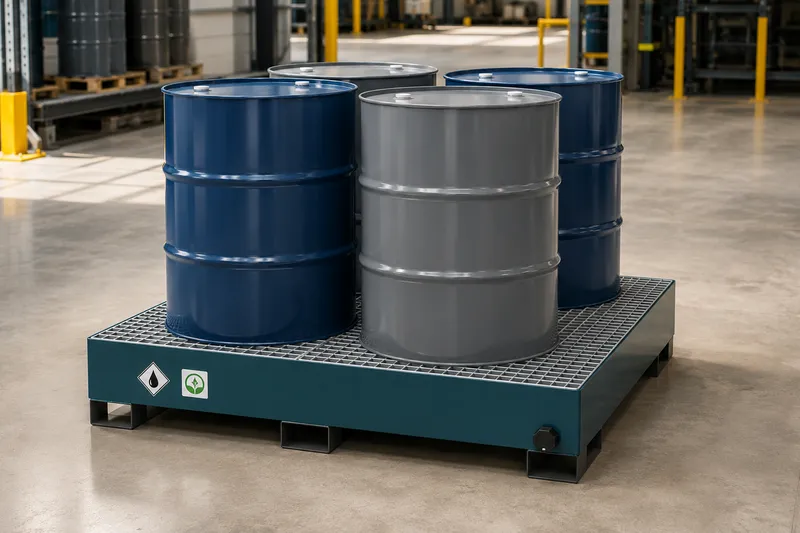
Spill pallets create a second leak-tight barrier if liquid escapes its primary vessel. Drum or IBC count, total liquid volume, chemical compatibility, handling needs and grating load guide the choice of steel or another suitable construction material.
Final dimensions and equipment are confirmed from the waste inventory, package type, user count, collection frequency, indoor or outdoor exposure and facility risk assessment. The information here describes the general approach; not every option is necessary or suitable for every project.
Key features
- Leak-tight secondary containment sump
- High-load grating
- Drum and IBC-compatible dimensions
- Forklift pockets
- Galvanized or painted steel
- Custom capacity and layout
Typical applications
- Chemical stores
- Paint workshops
- Fuel handling areas
- Manufacturing plants
- Temporary waste storage areas
Decisions that shape the specification
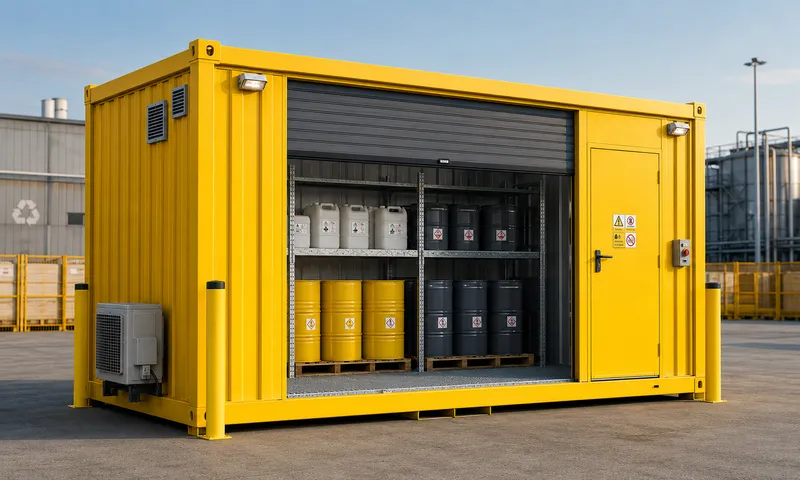
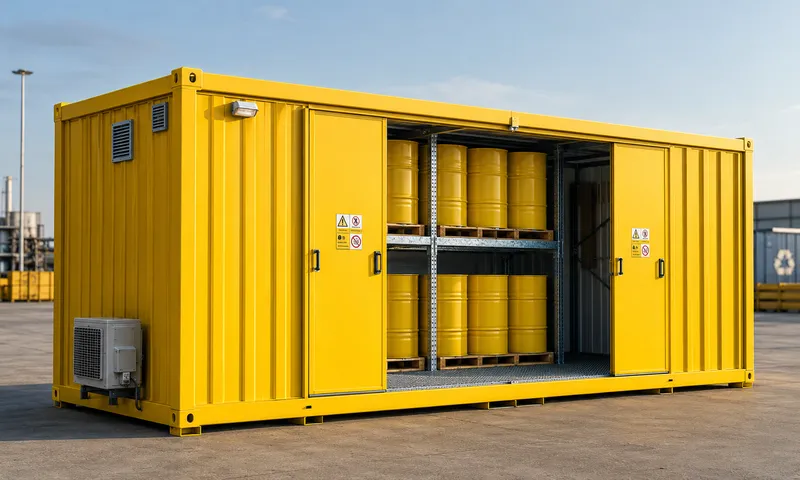
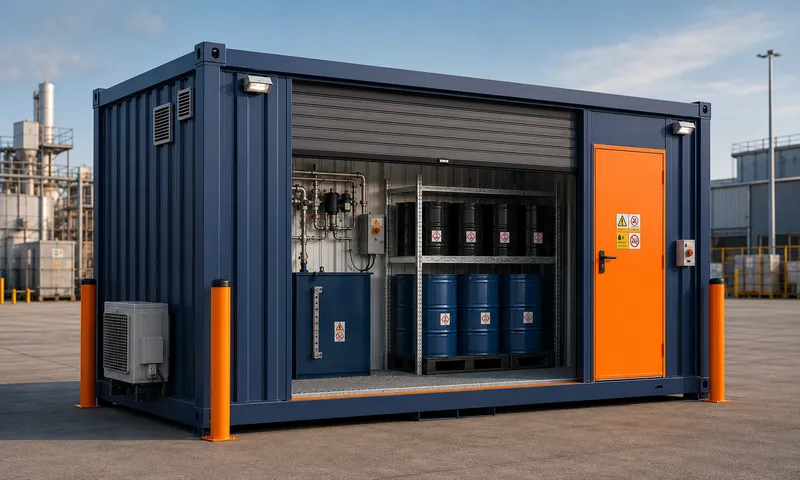
First define accepted waste streams and incompatibilities. Then establish capacity, shelving and aisle layout. Spill, fire, temperature, ventilation, access and cleaning needs are tested on the arrangement. Where electrical or active safety equipment is required, classification and maintenance access become part of the scope.
At quotation stage, share waste type, average and peak quantity, package dimensions, site photographs, available footprint, collection interval and existing services. If data is incomplete, assumptions should be written clearly and confirmed before production.
Technical note: Product performance and safety equipment must be determined through the site-specific risk assessment and current regulatory and technical requirements.